If you’ve wondered “how long have dental implants been around,” the short answer is: in some form for centuries, but modern dental implants as we know them date to the mid-20th century. This post will walk a quick timeline, explain the science behind implants, cover how long they last, answer common patient questions, and explain why it’s important to seek experienced care—especially if you live in Eastern Montana and are evaluating options.
A short timeline: From early attempts to modern dental implants
Archaeologists have found early attempts at tooth replacement in ancient civilizations, with shells and metals used as rudimentary replacements. Through the 1800s and early 1900s dentists experimented with screws and gold posts. The major turning point came in the 1950s–1960s when research led to predictable, long-term implants that integrated with bone. Those discoveries set the stage for the reliable implants used today.
Major milestones that changed implant dentistry
Ancient and early modern attempts
Early attempts show humans sought tooth replacement long ago. Materials ranged from carved bone to precious metals. These worked poorly by today’s standards but show the long history of the idea.
Discovery of osseointegration
In the 1950s, Dr. Per-Ingvar Brånemark observed that titanium could bond directly to bone—a process called osseointegration. That finding made implants stable and predictable and is the foundation of modern implant success.
Material, design, and surgical advances
Titanium alloys, better surface treatments, and refined implant shapes improved healing and strength. Prosthetic design improved so crowns and bridges fit better and looked more natural.
Digital planning and guided surgery
CT scanning, 3D planning, and guided surgery have increased precision. Digital workflows and 3D-printed guides help place implants more predictably with less risk to nearby structures.
How dental implants actually work
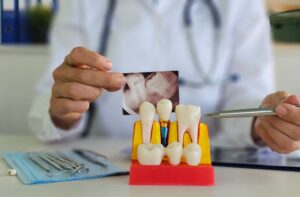
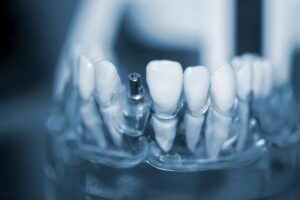
An implant has three basic parts: the implant (a titanium post placed in bone), the abutment (connects the post to the tooth), and the crown (the visible tooth). Osseointegration is the bone bonding to the implant surface. That bond gives implants stability and function like natural roots, allowing chewing and preserving bone.
How long do implants last — factors that change lifespan
With good care, implants can last decades and often a lifetime. Factors that shorten lifespan include smoking, poor oral hygiene, untreated gum disease, uncontrolled diabetes, and heavy clenching. Regular dental visits, daily cleaning, and quitting smoking help implants last longer.
Common patient questions about “how long have dental implants been around”
Q: Are implants a new technology? A: No — modern implants date to the 1950s–60s, though people tried tooth replacements for centuries. Q: Are implants safe? A: Yes, when placed by trained clinicians and with proper care. Q: Do implants look natural? A: Yes. Modern crowns match color and shape to your teeth. Q: How long is recovery? A: Healing varies; many return to normal activity in days, but full bone healing takes months. Q: Will insurance help? A: Some policies cover parts of implant care; coverage varies. Ask your provider and your clinic.
Why experience and ongoing education matter for implant success
Training, case volume, and continuing education lower complication rates. Clinicians who pursue advanced programs and stay current with techniques handle complex cases better and offer safer, more predictable outcomes.
About Dr. Barrie Matthews and Big Sky Smile Center
Dr. Barrie Matthews, DMD, is a Montana native and Penn-trained dentist who combines advanced implant and anesthesia training with a focus on compassionate care for his Eastern Montana community. He continues advanced education through programs like Full Arch Masters and Implant Pathway and balances expert care with a welcoming, family-like patient experience.
Next steps: Is an implant right for you?
If you’re considering implants, schedule a consult to review your health, imaging, and goals. A personalized exam at Big Sky Smile Center with Dr. Matthews will clarify options and next steps for restoring your smile.