
Dental implants replace missing teeth with durable, natural-feeling roots and crowns. This post answers how implants are done, step by step, and covers benefits, risks, healing, and next steps so you know what to expect. If you’re searching for how implants are done in Eastern Montana, this guide will walk you through exams, surgery, restoration, and recovery in plain language.
A simple step-by-step: How implants are done
Initial exam and treatment plan
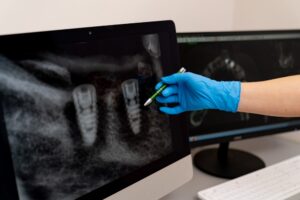
The first visit includes an oral exam, X-rays or a CBCT scan, and impressions or digital scans. Your dentist evaluates bone, nearby teeth, and bite to choose the right implant type and position. A clear treatment plan explains timelines, costs, and any prep work.
Preparatory treatments (if needed)
Some patients need extra work before placing an implant. That can include removing a damaged tooth, bone grafting to build jaw volume, or a sinus lift for upper back teeth. These steps create a stable foundation and improve long-term success.
The implant surgery, explained
Anesthesia and comfort
Surgery options include local anesthesia, oral or IV sedation, or general anesthesia depending on complexity and patient anxiety. Pain is controlled with local numbing and prescription or over‑the‑counter meds after the procedure.
Placing the implant
During surgery, the dentist places a titanium implant into the jawbone through a small incision. The implant sits below the gum line and the site is sutured. Temporary protection (a healing cap or temporary crown) may be used to shield the area.
Healing and osseointegration
Over weeks to months the implant bonds with the bone — a process called osseointegration. Good oral hygiene, avoiding smoking, and following the dentist’s directions help healing. Your dentist monitors progress with follow-up visits and X-rays.
Restoring the tooth: crowns, bridges, and full-arch options
After healing, an abutment connects the implant to a final crown, bridge, or full-arch prosthesis. Single crowns replace one tooth, implant bridges replace several teeth, and full-arch options (like All-on-4) restore a whole jaw. Choices depend on need, budget, and bone support.
Common questions about how implants are done
Does it hurt?
Most people feel little during surgery and mild soreness afterward for a few days. Pain is usually managed well with meds, ice, and rest.
How long does the whole process take?
From first visit to finished tooth, expect 3 to 9 months on average. Timing depends on healing, need for grafts, and whether immediate restoration is possible.
What are the risks and success rates?
Complications can include infection, implant failure, or nerve irritation, but success rates are high (over 95% in healthy patients). Proper planning, good oral care, and experienced clinicians lower risks.
Recovery and aftercare
Eat soft foods, avoid smoking, and keep the area clean with gentle brushing and recommended rinses. Follow-up visits check healing and let your team place the final restoration when ready. Seek care for persistent pain, swelling, or unusual symptoms.
Why experience matters when learning how implants are done in Eastern Montana
Complex cases need careful planning and surgical skill. Dentists with advanced implant and anesthesia training reduce complications and achieve better long-term results. Experience matters for precise placement, managing bone grafts, and selecting the right restoration.
About Dr. Barrie Matthews and Big Sky Smile Center
Dr. Barrie Matthews, a Montana native trained at the University of Pennsylvania, brings advanced implant and anesthesia education to Big Sky Smile Center. He combines technical skill with warm, patient-first care and ongoing training in full-arch and implant programs. The practice focuses on comfortable, community-minded treatment.
Ready to learn more or schedule an implant consultation?
Call Big Sky Smile Center to set up a personalized implant evaluation. Bring any recent dental records, a list of medications, and your questions. A consultation will review your options, timeline, and next steps for moving forward with dental implants.