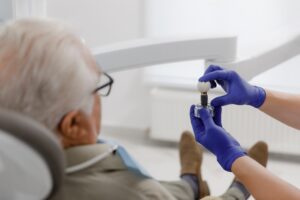
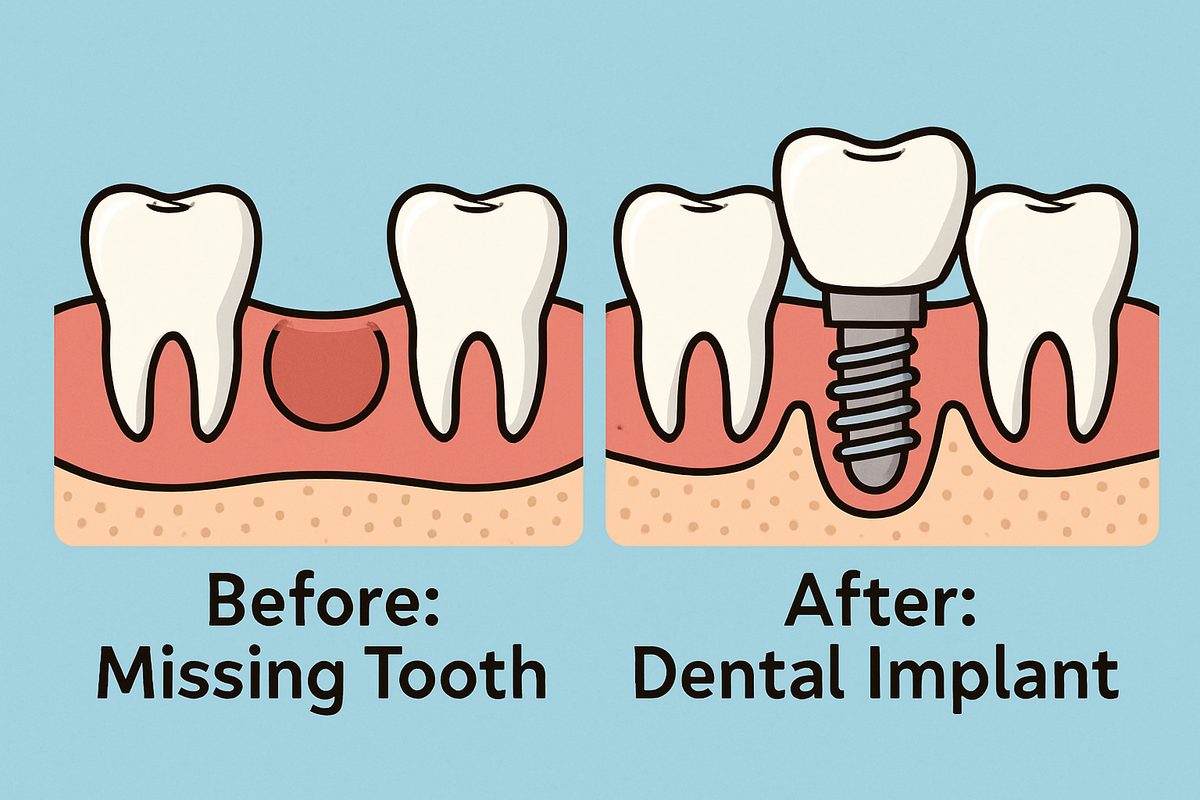
A tooth pulled and implant is when a damaged or missing tooth is removed and then replaced with a titanium post and a crown that looks and works like a natural tooth. Many people choose a tooth pulled and implant because it gives long-term strength, preserves bone, and often feels more natural than dentures or bridges. Expect the process to take months, not days — but the result is usually the best long-term option for chewing, speech, appearance, and overall oral health.
What happens when a tooth is pulled and implant is planned
After extraction, the dentist will clean the socket and decide whether to place an implant right away or wait. Immediate implant placement can be possible if there’s no infection and enough bone. When bone is lost or the socket needs support, the dentist may do socket preservation or place a bone graft to build a stable base for a future implant. Planning may include X-rays or a 3D scan to map the area.
Major benefits of a tooth pulled and implant
An implant replaces the tooth root and helps preserve jawbone, keeping your face from changing shape over time. Implants give strong chewing power, help speech, and look like a real tooth. Unlike a bridge, an implant does not require reshaping nearby teeth. Compared with removable dentures, implants are easier to care for and do not slip when eating or talking.
Who is a good candidate for a tooth pulled and implant
Oral health and bone
Good candidates have healthy gums and enough bone where the tooth was. Dentists use X-rays and scans to check bone volume and the health of surrounding teeth. If bone is thin, a graft can often rebuild it so an implant will be stable.
Medical conditions and habits
Health factors matter. Well-controlled diabetes, quitting smoking, and good immune health increase success rates. Certain medications and heavy smoking can raise the risk of implant failure. Many patients can improve their candidacy with medical care or lifestyle changes before treatment.
Treatment process and typical timeline
Extraction and initial healing
After the tooth is pulled, expect some swelling and mild pain for a few days. The socket usually needs a few weeks to heal before placing an implant if not done immediately.
Implant placement and osseointegration
The implant post is placed into the jawbone. Over 3–6 months, the bone fuses to the post in a process called osseointegration. This creates a strong, permanent foundation for the crown.
Final restoration and follow-up
Once healed, the dentist attaches an abutment and a custom crown. You’ll have follow-up checks to make sure the implant is healthy and functioning well.
Recovery expectations and potential risks
Normal recovery includes mild pain, swelling, and some bruising. Watch for signs of infection, severe pain, or loosening. Rare complications include implant failure or nerve injury. To lower risk: follow post-op care, keep the area clean, attend follow-ups, and stop smoking if possible.
Cost factors and payment options
Costs vary by single implant versus multiple implants or a full arch, plus any bone grafts, scans, or lab work. Insurance may cover part of the cost but often not the whole implant. Many offices offer financing, payment plans, or third-party medical lenders to help spread payments.
About Big Sky Smile Center and Dr. Barrie Matthews
Dr. Barrie Matthews, DMD, is a Montana native trained at the University of Pennsylvania with advanced implant and anesthesia training. He continues education through programs like Full Arch Masters and Implant Pathway. At Big Sky Smile Center, Dr. Matthews blends technical skill with a family-style approach to care, serving Eastern Montana with a focus on comfort and quality.
Next steps: How to find out if a tooth pulled and implant is right for you
Schedule a consultation to get a 3D scan, ask about timelines, risks, and costs, and learn your options. If you’re considering a tooth pulled and implant in Eastern Montana, contact Big Sky Smile Center to discuss a personalized plan and next steps.