Many people type “what is fake teeth called” when they want an easy name for options that replace missing or damaged teeth. The phrase covers a lot: temporary fixes, permanent restorations, removable plates, and implant-supported teeth. This post will quickly define common names, compare removable vs. fixed choices, explain how implants differ, help you see who fits each option, and give care tips so you can pick what suits your needs.
What Is Fake Teeth Called? Common Names and Quick Definitions
– Dentures — full plates that replace all teeth in an arch. Pros: relatively low cost; Cons: can slip and need periodic refitting. – Partials — removable piece that fills some gaps and hooks to remaining teeth. Pros: preserves remaining teeth; Cons: visible clasps and need care. – Bridge — fixed prosthetic that spans a gap using adjacent teeth as anchors. Pros: feels stable; Cons: requires altering neighboring teeth. – Crown — a cap that covers and restores a damaged tooth. Pros: protects tooth; Cons: not for replacing fully missing teeth alone. – Veneer — thin shell bonded to the front of a tooth to change appearance. Pros: great for cosmetics; Cons: not for major tooth loss. – Dental implant — a titanium post placed in bone topped with a crown. Pros: feels most natural and preserves bone; Cons: higher cost and surgical procedure.
Removable vs. Fixed Options
Removable: Dentures & Partials
Full and partial dentures are taken out daily. They work well for people who’ve lost many teeth or need a lower-cost solution. Dentures must be cleaned after meals, soaked overnight, and may need adhesives. Over time the bone can change shape, so relines or replacements are common.
Fixed: Bridges, Crowns, and Implant-Supported Teeth
Fixed options stay in the mouth and feel more like natural teeth. Bridges and crowns rely on existing teeth and are done faster than implants. Implant-supported crowns or bridges are anchored in bone, offering a permanent feel and helping prevent bone loss. Fixed solutions usually need regular flossing and dental visits like natural teeth.
How Dental Implants Differ From Other “Fake Teeth”
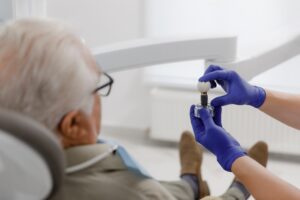
Implants have three parts: the implant (a post in the jaw), the abutment (connector), and the crown (the visible tooth). Healing and placement often take months but results last many years with good care. Because implants integrate with bone, they offer stability and chewing force closest to natural teeth — that’s why many call them the most natural-feeling “fake teeth.”
Who Is a Good Candidate for Each Type?
Good candidates depend on health, bone, and budget. Dentures and partials fit people with low bone or higher medical risks. Bridges and crowns suit patients with healthy neighboring teeth. Implants need adequate bone and good overall health; sometimes bone grafts or smoking cessation are required. Age alone isn’t a disqualifier—general health matters most.
Caring For Your Fake Teeth
Clean removable dentures daily with a brush and soak solution; rinse after meals and remove at night. For crowns, bridges, and implants, brush twice daily, floss or use interdental cleaners, and visit the dentist every 6 months. Come in sooner for soreness, wobbling, changes in bite, or persistent redness.
Questions to Ask Your Dentist When Exploring Options
Ask about expected longevity, total cost, insurance coverage, recovery time, need for bone grafts, and warranties. Bring a photo of your ideal smile and a list of priorities (cost, permanence, speed, appearance).
About Dr. Barrie Matthews and Big Sky Smile Center
Dr. Barrie Matthews, DMD, is a Montana native trained at the University of Pennsylvania. He has advanced training in implants and anesthesia and continues education through programs like Full Arch Masters and Implant Pathway. At Big Sky Smile Center, Dr. Matthews offers both routine and advanced options, focused on skilled, compassionate care for families in the community.
Next Steps / Call To Action
The phrase “what is fake teeth called” can mean many things. If you’re unsure which option fits your goals, schedule a consult to review your health, budget, and smile goals. Contact Big Sky Smile Center to talk through choices and find the right path for your smile.