
If you’re thinking about dental implants, this guide will walk you through the steps to dental implant in plain language. It’s written for anyone who wants a clear roadmap — whether you’re missing one tooth, have loose dentures, or want a long-term solution. Read on for practical next steps and what to expect at each stage.
What is a dental implant and who is a good candidate?
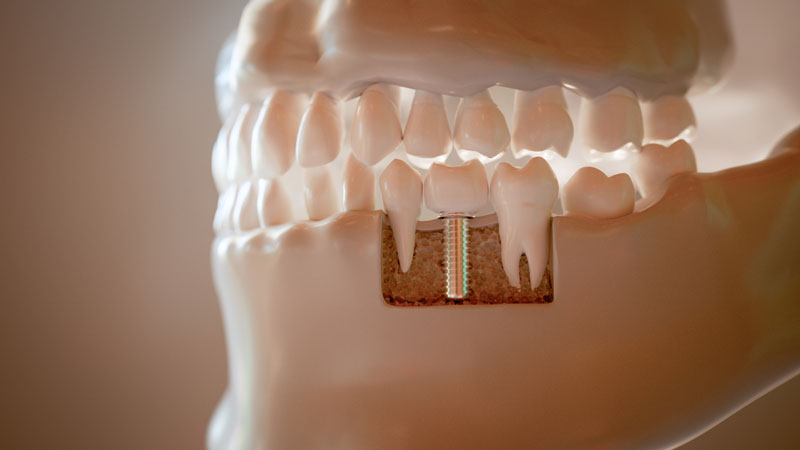
A dental implant is a small titanium post placed in the jaw to act like a tooth root. Once the implant bonds with your bone, a crown, bridge, or denture is attached to restore how your tooth looks and works. Implants feel and function much like natural teeth.
- Good candidates usually are healthy adults with enough jawbone or who can get bone grafting.
- Common reasons people choose implants: one or more missing teeth, loose or uncomfortable dentures, or long-term tooth loss that affects chewing or confidence.
- Some medical conditions or smoking can affect healing; your dentist will review your health and meds.
The steps to dental implant: a clear step-by-step process
Step 1 — Consultation & diagnostic work
Your dentist will review your medical history, do an oral exam, and take X-rays or a CBCT 3D scan. This helps plan exactly where implants should go. You’ll discuss options, costs, anesthesia choices, and a customized treatment plan.
Step 2 — Preparatory treatments (if needed)
Some people need extra work before implant surgery. That can include removing damaged teeth, bone grafts to rebuild lost bone, sinus lifts for upper-jaw implants, or treating gum disease. These steps make the implant more likely to succeed.
Step 3 — Implant placement surgery
Placing an implant is a minor surgical procedure done with local anesthesia, and often sedation if you prefer. The implant is placed in the jaw through a small incision. The procedure usually takes under an hour per implant and most patients go home the same day.
Step 4 — Healing and osseointegration
After placement, the implant needs time to fuse with the bone — a process called osseointegration. This can take several weeks to a few months depending on location and bone health. You’ll get instructions for care, pain control, and what to avoid while healing.
Normal signs: mild swelling, light bruising, and fading discomfort over a few days. Contact your dentist for heavy bleeding, severe pain, or signs of infection like fever or worsening swelling.
Step 5 — Abutment and impressions
Once the implant has integrated, the dentist attaches an abutment — a small connector that links the implant to the final tooth. Impressions or digital scans are taken to make the crown, bridge, or denture that will match your bite and look natural.
Step 6 — Final restoration and follow-up
The final crown, bridge, or denture is fitted, bite is adjusted, and you’ll be shown how to clean around the new teeth. Routine follow-up visits confirm healing and long-term success. With good care, implants can last many years.
Aftercare, timeline, risks, and costs to expect
Aftercare helps implants heal well. Follow your dentist’s advice closely for the best results.
- Pain control: over-the-counter pain relievers or prescribed meds. Use as directed.
- Diet: soft foods for a few days, then progress to normal foods as advised.
- Oral hygiene: gentle brushing, rinsing with salt water or recommended rinse, and avoiding the surgical site early on.
Typical timeline: from consultation to final restoration can be a few months up to a year if extra grafting or healing is needed. Smoking, poor bone quality, and some health issues can lengthen the process.
Common risks include infection, implant failure, nerve or sinus injury, and slow healing. Your dental team reduces these risks with careful planning, sterile technique, and follow-up care.
Costs vary by number of implants, need for grafting, type of final restoration, and specialist fees. Many practices offer payment plans or financing to make implants more affordable.
Why consider Big Sky Smile Center and Dr. Barrie Matthews for implants
Dr. Barrie Matthews is a Montana native and University of Pennsylvania-trained dentist who brings advanced implant and anesthesia training to Eastern Montana. He continues training through programs like Full Arch Masters and Implant Pathway and treats both routine and complex cases with sedation when needed.
Big Sky Smile Center focuses on compassionate, community-centered care. Patients report a warm, family-like experience and clear explanations about each of the steps to dental implant. If you want a provider who combines skill with small-town care, Dr. Matthews and his team can help.
To schedule a consultation or ask questions about the steps to dental implant, call Big Sky Smile Center or visit their website to request an appointment and start your personalized plan.