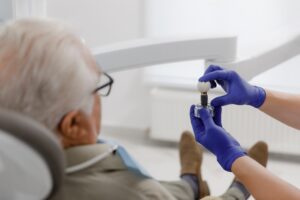

If you’ve been asking “are tooth implants safe,” the short answer is yes for most people. This post separates common myths from facts so you can decide if implants are right for you and know what to expect next.
What tooth implants are and how they work
A dental implant replaces a missing tooth with three parts: a titanium post that acts like a root, an abutment that connects the post to the visible tooth, and a crown that looks like a natural tooth. Implants fuse with bone (osseointegration), which makes them stable for chewing and speaking. They are a durable, long-term tooth-replacement option with success rates often around 95%–98% when placed and cared for properly.
Myths vs facts: are tooth implants safe?
Myth — Implants always cause severe pain
Fact: Most patients have little pain during the procedure because of local anesthesia and optional sedation. Some soreness and swelling afterward is normal and usually controlled with over-the-counter pain relievers and short rest. Severe, lasting pain is uncommon.
Myth — Implants are often rejected or poisonous
Fact: Implants are usually made from titanium or other biocompatible materials that bone accepts well. True rejection (like an organ transplant rejection) is extremely rare. Most problems called “rejection” are actually infections or poor healing, which are treatable if caught early.
Myth — Only young, perfectly healthy people can get implants
Fact: Many older adults receive implants successfully. People with controlled medical conditions can also be good candidates. What matters most is overall health and good planning between your dentist and physician when needed.
Real risks and who needs extra care
- Infection at the implant site
- Implant failure or loosening
- Nerve irritation or temporary numbness (rare)
- Sinus issues for upper-jaw implants (rare)
Higher-risk groups include smokers, people with uncontrolled diabetes, those with severe bone loss, and people on certain medications. To reduce risk, dentists may recommend CT scans for planning, bone grafts to build support, or medical clearance for chronic conditions.
How to ensure a safe implant outcome
- Thorough exam and imaging (X-rays or 3D CT) to plan placement
- A personalized treatment plan that addresses bone or health issues
- Sterile surgical protocols and experienced surgical techniques
- Post-op care instructions and early follow-up to catch complications
- Long-term checkups and good oral hygiene to protect the implant
Ask about sedation options for comfort and financing plans to make treatment manageable. Clear communication and realistic timelines also help improve safety and satisfaction.
Why consider Big Sky Smile Center for safe implant care
Dr. Barrie Matthews, DMD, is a Montana native and University of Pennsylvania-trained dentist with advanced implant and anesthesia training (Full Arch Masters, Implant Pathway) who focuses on safe, modern implant care. His team follows lower-risk protocols and supports patients through each step of treatment.
Ready to learn if implants are right for you? Schedule a consult to review your health, imaging, and options for a safe implant plan.