Many people who type “dental implant cheap” want affordable options, not poor care. In this post we define what “dental implant cheap” usually means, show safe ways to lower implant cost without sacrificing quality, and preview practical steps: where people look for lower prices, what drives cost, how to vet low-cost options, payment strategies, and a short FAQ to help you plan. Read on to learn how to reduce expense while protecting long-term oral health.
What Are Dental Implants and Why Costs Vary
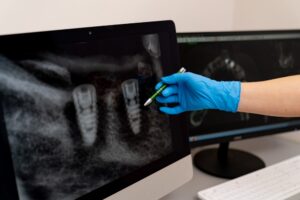
A dental implant has three parts: the titanium fixture placed in bone, the abutment that connects the fixture to the tooth, and the crown or prosthesis you see. Costs vary because of implant brand and material, lab fees for the crown, complexity of surgery, and extra procedures (extractions, bone grafts). Less complex cases cost less; more prep and higher-end parts raise the price.
Where People Look When Searching for “dental implant cheap”
Common low-cost options include: – Dental schools: supervised treatment at reduced fees; slower scheduling but quality oversight. – Group discounts and specials: bundled pricing for multiple implants or limited-time promos. – Implant packages: fixed-price offers that bundle surgery, implant, and crown—ask what’s included. – Dental tourism: traveling abroad for cheaper care—lower price but risks with follow-up care and standards. Each option has pros and cons: cheaper doesn’t always equal safe. Patients searching “dental implant cheap Eastern Montana” should weigh long-term care and emergency access.
Key Factors That Drive Implant Price
Type of restoration
A single implant and crown is less expensive than an implant-supported bridge or full-arch replacement. Full-arch solutions require more implants, lab time, and surgical planning.
Bone and tissue health
If bone is thin or you need extractions, bone grafts or sinus lifts add time and cost. Healthy tissue keeps the procedure simpler and cheaper.
Technology and materials
Guided surgery, CBCT scans, and premium implant brands raise costs but can improve precision and outcomes.
Provider training and labs
Specialists and high-quality dental labs charge more. Strong training and reliable labs reduce complication risk and future expenses.
How to Find a Safe “dental implant cheap” Option
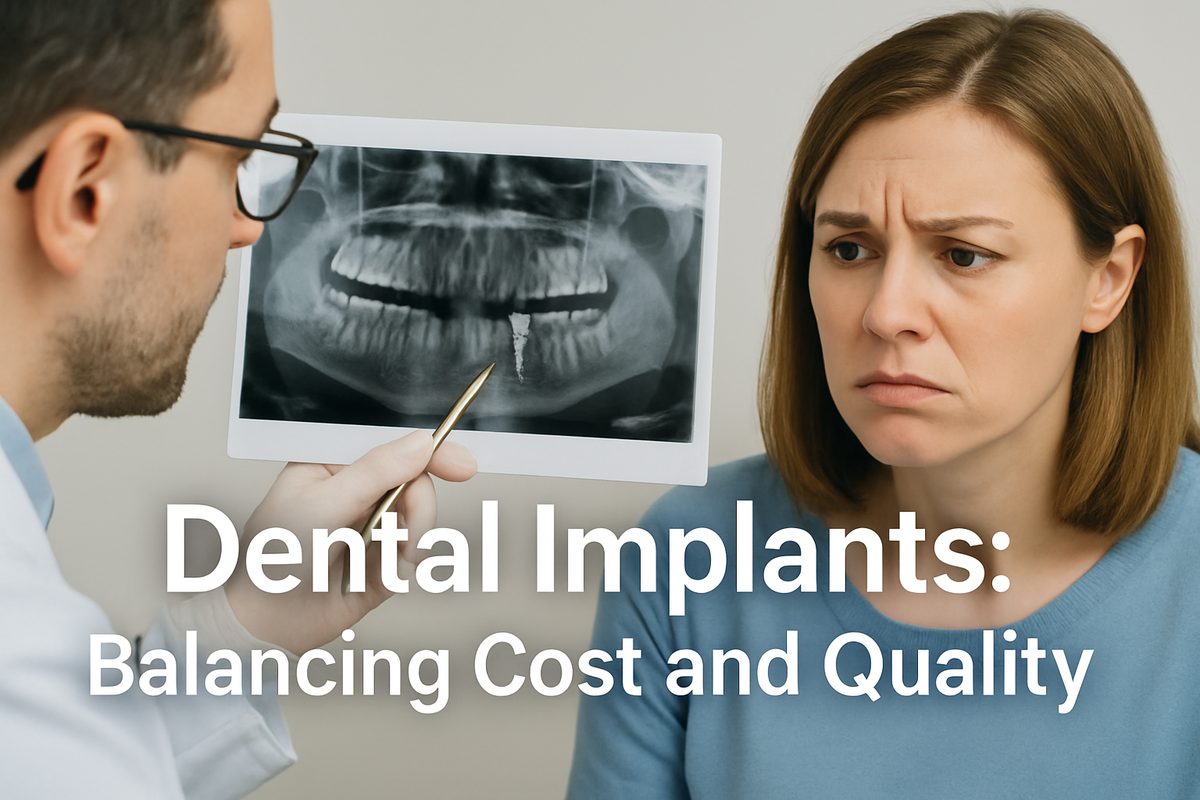
Watch for red flags: extremely low prices, no imaging, no written plan, or no follow-up care. Ask for credentials, implant brand, warranty, what’s included (surgery, crown, follow-up), sedation options, healing timeline, and a contingency plan for complications. A trustworthy provider will explain trade-offs between lower cost and long-term reliability.
Paying for Implants Without Breaking the Bank
Options include dental financing plans, dental credit companies, using HSA/FSA funds, in-house payment plans, and phasing treatment (treating one side first). Always get a written estimate and compare total cost, not just the headline price.
Why Experience Matters Even When You Want a Cheap Option
A skilled provider places implants with fewer complications. Choosing the absolute cheapest implant can lead to failures, additional surgeries, and higher lifetime cost. Balance affordability with proven skill.
About Dr. Barrie Matthews and Big Sky Smile Center
Dr. Barrie Matthews, DMD, a Montana native trained at the University of Pennsylvania, continues advanced implant education through programs like Full Arch Masters and Implant Pathway. Big Sky Smile Center in Eastern Montana offers modern implant care, sedation options, and financing to help patients find affordable, safe choices.
Next Steps & Quick FAQ
Schedule a consultation and bring medical/dental history and any recent X-rays. Quick FAQs: – Timeline: Typical single-implant process takes 3–6 months from placement to final crown if bone healing is needed. – Typical cost range: Costs vary widely; ask your provider for a full estimate including all fees. – Warranty/aftercare: Ask about guarantees, follow-up visits, and emergency care plans.