A dental implant definition is simple: it’s an artificial tooth root placed into your jaw to hold a replacement tooth or bridge. This guide explains the dental implant definition in plain terms for 2025, what parts make one up, how implants work, who is a good candidate, and what to expect for recovery, cost, and next steps.
What Is a Dental Implant? — Simple Dental Implant Definition
A dental implant is a small post, usually titanium or zirconia, that acts like a natural tooth root. A crown or bridge sits on top of the post. Unlike dentures that rest on gums or bridges that use nearby teeth for support, implants replace the root and the visible tooth. Key terms: implant (post), abutment (connector), and crown (the visible tooth).
Parts of a Dental Implant
The implant screw (root)
This is the metal post placed into the jawbone. Made of titanium or zirconia, it fuses to bone for stable support.
The abutment
The abutment screws onto the implant and connects the implant to the crown. It’s a small but crucial part for fit and function.
The crown (the visible tooth)
The crown is the part you see and chew with. Crowns are made from porcelain, ceramic, or zirconia and are matched to your other teeth for color and shape.
How Dental Implants Work — Step‑by‑Step
1) Consult and imaging: X-rays and scans check bone and plan placement (1 visit). 2) Placement surgery: The implant is put into the jaw (often same-day outpatient). 3) Osseointegration: Bone grows around the implant, securing it—usually 3 to 6 months. 4) Final restoration: The abutment and crown are attached once healing is complete (a few visits over 1–3 weeks). Timelines vary with bone grafts or extractions.
Who Is a Good Candidate?
Good candidates are generally healthy adults with enough jawbone, good oral hygiene, and no uncontrolled medical issues. Smokers should quit or cut back for better healing. If bone is low, bone grafts or sinus lifts can make implants possible for many patients.
Benefits vs. Other Options
Compared to dentures and bridges, implants offer greater stability, better chewing power, and help preserve jawbone. They don’t rely on neighboring teeth for support and typically last longer with proper care. Maintenance is like natural teeth: brushing, flossing, and regular checkups.
Common Myths and Quick Facts
Myths: implants are always painful (most report only mild post-op discomfort); only for older people (adults of any age can get them); never covered by insurance (some plans help). Quick facts for 2024: success rates are commonly over 95% in healthy patients, and many implants last 15+ years or longer with good care.
What to Expect in Recovery and Aftercare
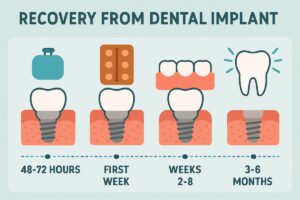
Expect swelling and mild discomfort for a few days. Follow soft diet and oral rinses as directed. Attend follow-up visits to check healing. Long-term care includes normal brushing, flossing, and dental cleanings to protect gum and bone health.
Cost and Insurance Basics
Costs depend on number of implants, need for bone grafts, materials, and location. Some dental plans, medical plans, and financing options may help. A consult with imaging gives the most accurate estimate.
About Dr. Barrie Matthews and Big Sky Smile Center (Light Glaze)
Dr. Barrie Matthews, DMD, is a Montana native trained at the University of Pennsylvania. He pursues advanced implant education and uses modern techniques to handle routine to complex cases with patient comfort in mind.
How to Get Started — Next Steps
To start, schedule an implant consult. Bring any dental records and a list of medications. The office will review imaging, discuss options, and outline costs and timelines. Contact Big Sky Smile Center to arrange an implant evaluation and personalized plan.